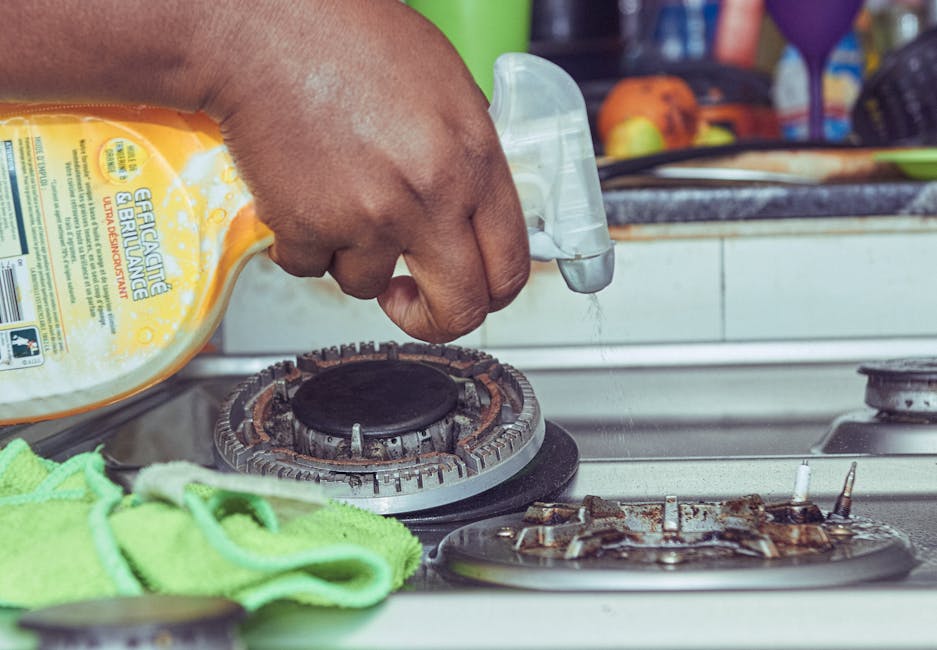
What to know about stain removal after oven cleaning in Kensington
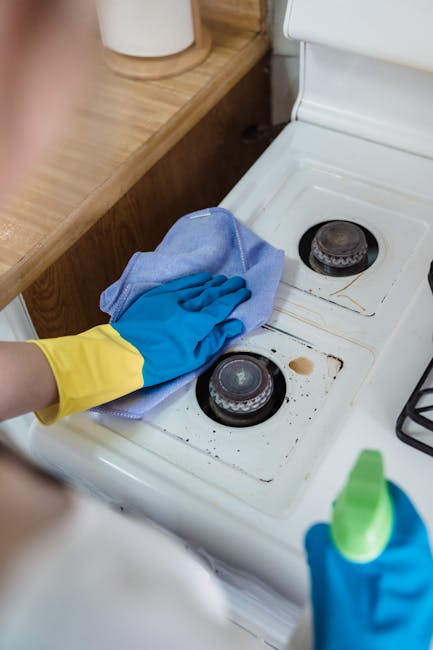
If you have just had your oven cleaned and you are now staring at a stubborn mark on the door, the tray rack, or the enamel lining, you are not alone. What to know about stain removal after oven cleaning in Kensington is really about understanding which marks are normal residue, which are burnt-on stains, and which cleaning methods are safe for your appliance. In a busy Kensington kitchen, that distinction matters more than people expect. A wrong move can turn a small stain into a scratched surface, a dull patch, or even a lingering chemical smell. This guide walks you through what those marks mean, how to deal with them properly, and when to leave the job to a professional oven cleaner.
Truth be told, most oven stains are fixable. Some just need patience, a gentle touch, and the right order of operations. Others are better left alone.
- Why stain removal after oven cleaning matters
- How the stain removal process works
- Key benefits and practical advantages
- Who this is for and when it makes sense
- Step-by-step guidance
- Expert tips for better results
- Common mistakes to avoid
- Tools, resources and recommendations
- Law, compliance, standards, or best practice
- Options, methods, or comparison table
- Case study or real-world example
- Practical checklist
- Conclusion
- Frequently asked questions
Why What to know about stain removal after oven cleaning in Kensington Matters
After an oven clean, stains are often the last visible thing standing between a kitchen that looks decent and one that looks properly finished. That sounds small, but in a place like Kensington where homes, rentals, and shared spaces are often kept to a high standard, the finish really counts. A shiny hob and a clean oven door can still look underwhelming if there is a brown shadow around the glass or a greasy patch near the seal.
The bigger reason it matters is surface protection. Oven interiors are not all made the same. Some use enamel, some stainless steel, some glass, and each reacts differently to scrubbing, soaking, or chemical products. A stain that looks harmless may actually be baked-on carbon, which behaves differently from loose grease or food splash. If you treat all of them the same, you can end up spreading the mark, discolouring the finish, or making future cleaning harder.
It also matters for hygiene and odour control. A stain can be more than a stain. Old cooking residue can release smells when the oven heats up again, especially after a deep clean if some material has been loosened but not fully removed. And let's face it, nobody wants the first roast after cleaning to come with a faint burnt smell and a bit of regret.
There is also a practical side for landlords, tenants, and homeowners preparing for inspections or viewings. If you are already investing in oven cleaning, getting the post-clean stains right helps the whole kitchen feel cared for, not half-finished. That's usually the difference between "clean enough" and "properly clean".
Table of Contents
- Why What to know about stain removal after oven cleaning in Kensington Matters
- How What to know about stain removal after oven cleaning Works
- Key Benefits and Practical Advantages
- Who This Is For and When It Makes Sense
- Step-by-Step Guidance
- Expert Tips for Better Results
- Common Mistakes to Avoid
- Tools, Resources and Recommendations
- Law, Compliance, Standards, or Best Practice
- Options, Methods, or Comparison Table
- Case Study or Real-World Example
- Practical Checklist
- Conclusion
- Frequently Asked Questions
How What to know about stain removal after oven cleaning Works
Good stain removal after oven cleaning is not about attacking every mark with the strongest product you can find. It usually follows a simple logic: identify the stain, choose the least aggressive method that could work, then build up only if needed.
In practice, the process starts once the bulk of the oven grease and carbon has been removed. What remains is often one of four things:
- Heat stains caused by repeated high temperatures and oxidation
- Grease shadows left behind after the top layer has gone
- Carbon spots from burnt food or splashes
- Product film from cleaning fluid that was not fully wiped away
Each type behaves differently. A greasy shadow may lift with warm water and a microfibre cloth. Carbon spots may need a paste or a specialist oven-safe cleaner. Product film may simply need a second rinse and a dry buff. The key is not to overwork the surface. Many people scrub harder than needed because the stain is still visible after one pass. That is where dull patches begin.
For tougher jobs, the best results often come from a staged approach:
- Loosen the stain gently.
- Wipe away residue.
- Repeat with a fresh cloth.
- Only then decide whether a stronger product is justified.
That sounds simple because it is. But simple does not mean careless. A few minutes spent testing a small corner is worth far more than trying to polish damage out later.
Key Benefits and Practical Advantages
There are a few clear benefits to handling stain removal properly after oven cleaning, and they go beyond appearances.
1. A better final finish
Clean ovens should look clean. Obvious stain trails, especially on the glass, make the whole appliance look neglected even when the main clean has been done well.
2. Less wear on surfaces
Gentle stain removal reduces the chance of scratching enamel, clouding glass, or leaving permanent swirl marks on stainless steel trim.
3. Fewer smells when the oven heats up
Residual food stains can smell when warm. Removing them properly helps avoid that weird first-use odour after cleaning.
4. More confidence for inspections
Tenants, landlords, and homeowners all benefit when the oven looks presentable from door seal to glass panel. It creates a stronger impression than a surface wipe alone.
5. Easier future maintenance
Once stains are managed properly, later cleans are simpler. The surface has less built-up residue and fewer rough patches where grime can cling.
There is a quieter benefit too: peace of mind. You stop wondering if that mark is permanent or if you have somehow made things worse. That alone is worth something.
Who This Is For and When It Makes Sense
This topic is useful for a few different people, and the reason varies depending on the situation.
Homeowners usually want the oven looking fresh after a deep clean so the kitchen feels finished. If you cook often, little stains can reappear quickly, and it helps to know which ones are normal and which need action straight away.
Renters often need a good result before inventory, move-out, or check-out cleaning. Oven stains are one of those things that can look minor until someone opens the door and takes a closer look. Then suddenly they are not minor.
Landlords and letting agents want a reliable finish that reduces complaints and helps kitchens look consistent from one property to the next.
Busy households often need a practical method that works without taking the whole evening. No one wants to spend a Sunday wrestling with a patch of baked-on grease while dinner is bubbling on the hob.
Professional cleaners and property maintenance teams also need a safe way to decide whether a stain is worth chasing or whether it should be flagged as surface wear.
It makes sense to focus on stain removal after oven cleaning when the oven is already free of loose grease, when the remaining marks are clearly visible, and when you need the finish to look properly complete. If the oven is still covered in heavy grime, start there first. Stain removal comes after the main clean, not before. Small distinction, big difference.
Step-by-Step Guidance
Here is a practical approach that works well for most ovens. It is cautious on purpose. Better to start gently and scale up than to scrub aggressively from the start.
- Let the oven cool fully. Never work on warm enamel or glass. Residue can smear, and some products become less predictable on hot surfaces.
- Identify the stain type. Look closely. Is it greasy, burnt, chalky, brown, or shiny? That clue helps you choose the right method.
- Remove loose residue first. Use a dry microfibre cloth or soft sponge to lift anything sitting on top of the stain.
- Apply a small amount of suitable cleaner. Use an oven-safe product or a mild cleaning paste. Always test a small area first, especially on glass or coated surfaces.
- Allow a short dwell time. Give the product a few minutes to work, but do not let it dry on the surface unless the instructions say otherwise.
- Wipe with a clean damp cloth. This is where people often miss a step. Cleaning residue left behind can create streaking or a thin film that looks like a stain.
- Buff dry. Drying the surface helps reveal whether the mark is gone or just softened.
- Repeat only if needed. For stubborn marks, do a second round rather than immediately moving to anything abrasive.
If you are cleaning the oven door glass, use extra care around edges and seals. Those areas can trap moisture and leftover cleaner. If the glass still looks cloudy after two gentle passes, stop and reassess rather than grinding away at it.
And a small but useful note: changing cloths matters. A dirty cloth just pushes loosened grease back over the panel. A fresh cloth often solves the problem faster than a stronger product would.
Expert Tips for Better Results
In our experience, the best stain removal outcomes come from restraint, not force. A few practical habits make a real difference.
Work from the lightest method up. Start with warm water, then mild cleaning solution, then a more targeted product if the surface can take it. That order saves time and reduces risk.
Use soft pads, not harsh scourers. Even when a mark looks stubborn, a rough pad can leave tiny scratches that catch light forever after. You might not notice immediately, but you will later, usually at the worst possible angle.
Keep the cloths clean and slightly damp. Too wet and you spread residue; too dry and you drag it around. Slightly damp is the sweet spot.
Check the rubber seal and hinge line. Stains often hide there, and a nice-looking door can still smell if those edges are ignored.
Ventilate the room. Open a window for a while. It helps clear cleaning-product smell and makes it easier to tell whether the oven still has a lingering odour.
Be patient with baked-on carbon. Some marks need a second or third gentle pass. That is normal. Not dramatic, just normal.
A useful local reality in Kensington is that many kitchens are compact, especially in flats and converted properties. That means overspray, drips, and rushed drying can show up more obviously. Take your time around nearby panels, extractor fans, and the surrounding backsplash.
Common Mistakes to Avoid
Most oven stain problems are not caused by the stain itself. They are caused by the attempt to remove it. Here are the missteps we see most often.
- Using abrasive pads on glass or enamel. This is the fastest way to create a permanent haze.
- Letting cleaner dry on the surface. Dried residue can look like the original stain, or worse, a new one.
- Mixing products. More is not better here. Stick to one approach at a time.
- Scrubbing before loosening the stain. You end up polishing the dirt into the surface.
- Ignoring corners and seals. Those hidden zones trap greasy film and cause odours later.
- Using a stain remover not meant for ovens. Some household products are fine on worktops but not on appliance finishes.
- Assuming every mark is removable. Some discolouration is heat-related or cosmetic wear, not a cleaning failure.
There is also a timing mistake. People often try to clean a fresh oven immediately after heavy use, or right after a very hot cycle. That makes things messier. Let the appliance cool, then work methodically.
If you only remember one thing from this section, let it be this: gentle is not weak. Gentle is controlled.
Tools, Resources and Recommendations
You do not need a suitcase full of gadgets. A few dependable tools usually cover most stain removal jobs after oven cleaning.
- Microfibre cloths for lifting residue and drying without scratching
- Soft non-scratch sponge for controlled cleaning on tougher areas
- Small bowl of warm water for rinsing cloths and diluting residue
- Oven-safe cleaning product for stubborn marks that need a bit more help
- Plastic or silicone scraper for gently lifting softened residue on compatible surfaces
- Dry towel for final buffing and removing moisture from edges
If you prefer a more hands-off route, using a trusted oven cleaner can save time and reduce the risk of damaging delicate surfaces. That can be a sensible choice in rental properties, end-of-tenancy situations, or whenever the stain is more than simple surface residue.
If the wider kitchen also needs attention, it may be worth looking at deep cleaning or even a broader one-off cleaning visit, especially when multiple surfaces have built-up grease or dust. And if you are dealing with a property reset after renovation, after builders cleaning can be helpful because dust and fine debris often settle in places people forget, including around appliances.
For pricing, service scope, or booking expectations, it is sensible to review pricing and quotes before committing. If you want to know how the business handles customer data and payments, the pages on payment and security and privacy policy are worth a look too.
Law, Compliance, Standards, or Best Practice
For domestic stain removal, there usually is not a special law that tells you exactly how to clean an oven door. Still, good practice matters. In the UK, the sensible standard is to use products according to the manufacturer's guidance, avoid unsafe mixing, and make sure any cleaning work is carried out without creating unnecessary risk.
If you are hiring help, it is reasonable to expect clear communication about what is included, what surfaces are covered, and what happens if a stain is not removable without risk to the finish. That is especially true in Kensington homes where appliances may be integrated, older, or fitted into compact kitchen layouts. A careful cleaning company should be upfront rather than overpromising. That honesty saves everybody time.
Health and safety best practice also applies. Gloves are sensible for stronger cleaning agents, ventilation is sensible during and after use, and avoiding product contact with seals, electronics, or painted trims is sensible too. If a cleaner is working in a client's home, it is normal to expect responsible handling of products and surfaces. If you want reassurance on how a provider approaches this, the pages on health and safety policy and insurance and safety can help set expectations.
There is also a practical sustainability angle. Using only what you need, wiping residues properly, and choosing reusable cloths where possible all reduce waste. For customers who care about this side of the work, a company's recycling and sustainability approach can be a useful signal.
Options, Methods, or Comparison Table
Different stains call for different methods. Here is a simple comparison to help you decide what to try first.
| Method | Best for | Pros | Watch out for |
|---|---|---|---|
| Warm water and microfibre cloth | Light residue and fresh streaks | Gentle, quick, low risk | May not shift baked-on carbon |
| Mild oven-safe cleaner | Grease shadows and medium stains | More effective without being too harsh | Needs careful wiping and rinsing |
| Cleaning paste | Stubborn marks on durable surfaces | Good controlled lift on many stains | Can be too abrasive if overused |
| Plastic scraper | Softened carbon or cooked-on spots | Helps lift residue cleanly | Only suitable on compatible surfaces |
| Professional oven cleaning | Heavy build-up, rental turnaround, delicate appliances | Safer for tricky jobs and better finish | Costs more than DIY, but often saves hassle |
For many people, the first two methods are enough. If they are not, that does not mean you have failed. It usually means the stain is tougher than it looked.
Case Study or Real-World Example
A small Kensington flat kitchen gives a good example. The oven had already been cleaned, but the glass door still showed a brown ring near the bottom edge and a pale, cloudy patch in the middle. At first glance it looked like one problem. In reality, it was two.
The brown ring was greasy residue that had settled into the edge after years of cooking splashes. The cloudy patch was leftover product film from a previous clean that had not been fully buffed off. The fix was not to scrub harder. It was to separate the issues.
First, the edge was treated with a soft cloth and a small amount of oven-safe cleaner, then wiped again with fresh warm water. After that, the cloudy centre was buffed with a dry microfibre cloth until the shine returned. No harsh sponge. No dramatic effort. Just careful sequencing.
The result looked much better, and the kitchen felt brighter immediately. One tiny detail, but it changed the whole room. The sort of thing you notice when you walk in the door with the kettle on and the afternoon light coming through the window.
That is the real point of stain removal after oven cleaning: not perfection for its own sake, but a finish that feels complete.
Practical Checklist
Use this quick checklist before, during, or after removing stains from an oven.
- Oven is fully cooled before cleaning starts
- Loose residue has been removed first
- Stain type has been identified as best as possible
- Only oven-safe or surface-safe products are being used
- Small test area has been checked
- Soft cloths are being used instead of abrasive pads
- Edges, seals, and glass corners have been wiped carefully
- Residue has been rinsed or buffed away
- Surface has been dried properly
- No smell, streaking, or cloudy film remains
If a box is still ticked in your mind and you are not sure about it, pause. That is usually the moment to rethink the method rather than push on.
Conclusion
Stain removal after oven cleaning is one of those jobs that looks deceptively small until you are doing it yourself. Then you realise how much it depends on surface type, stain type, and patience. In Kensington kitchens, where space, finish, and presentation often matter, a careful approach can make a real difference.
The simple formula is this: identify the stain, use the gentlest effective method, wipe thoroughly, and stop before overworking the surface. If the stain is stubborn or the oven is delicate, professional help can be the calmer, safer option. There is no shame in that. Quite the opposite, really.
Get a free quote today and see how much you can save.
And if all you do after reading this is handle the next stain a little more calmly, that is already a win.
Frequently Asked Questions
What is the best way to remove stains after oven cleaning in Kensington?
The best method is to start with warm water and a microfibre cloth, then move to an oven-safe cleaner only if needed. Keep the pressure light and work in stages.
Why does my oven still look stained after cleaning?
Often, what looks like a stain is actually residue film, grease shadow, or baked-on carbon that needs a second, more targeted pass. Some marks are also heat-related rather than dirty.
Can I use the same product on oven glass and the interior?
Not always. Oven glass and enamel can react differently, so check the product instructions carefully and test a small area first. Glass especially can show scratches if treated too aggressively.
How do I know if a stain is permanent?
If the mark does not lift after gentle cleaning and buffing, it may be heat discolouration or surface wear rather than removable dirt. At that point, more scrubbing is unlikely to help.
Should I clean oven stains while the oven is still warm?
No, it is better to wait until the oven is fully cool. Warm surfaces can spread residue, make products behave unpredictably, and increase the risk of damage.
What should I avoid using on oven stains?
Avoid abrasive pads, metal scourers, and mixing cleaning products. Those are the quickest ways to create scratches, film, or unnecessary fumes.
How long does stain removal usually take?
It depends on the stain. Light residue can be dealt with in minutes, while baked-on marks may need several gentle rounds. Rushing usually makes the result worse.
Is professional oven cleaning worth it for stains?
Yes, if the stain is stubborn, the oven is delicate, or you need a clean finish for a move-out or inspection. A professional can often do the job more safely and consistently.
Will stain removal affect the smell from my oven?
It often does. Removing old residue can reduce burning smells when the oven heats up again, especially if the grime was sitting near the elements or seals.
Can stain removal damage oven seals or glass?
It can, if harsh products or rough pads are used. That is why a gentle, methodical approach is so important around seals, glass edges, and control areas.
What if the stain is on a hard-to-reach part of the oven?
Use a soft cloth wrapped around a finger or a small non-scratch tool, but do not force it. If access is awkward, it may be safer to book help rather than risk bending or scratching components.
How do I keep stains from coming back so fast?
Wipe spills once the oven is cool, avoid leaving baked-on splashes for long periods, and do lighter maintenance cleans regularly. Little and often really does help here.
Where can I learn more about the company and its approach?
You can read more about the team on the about us page and review service expectations through the terms and conditions. If you have a specific question, the contact us page is there too.