Real cost of a professional oven clean in Kensington
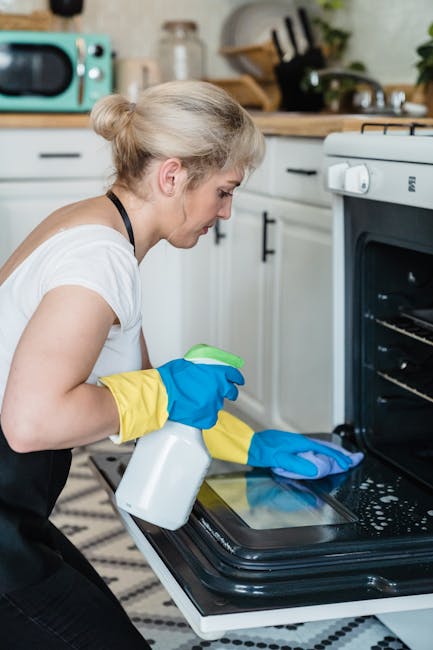
If you are trying to work out the real cost of a professional oven clean in Kensington, you are probably looking for more than a headline price. You want to know what affects the quote, what is included, whether it is worth paying for, and how to avoid the annoying surprise add-ons that seem to appear out of nowhere. Fair enough. Nobody wants to pay over the odds just because the oven looked a bit grim on the day.
In Kensington, pricing can vary more than people expect. A compact oven in a smaller flat is one thing; a large range cooker in a busy family kitchen is another. Add built-up grease, burnt-on carbon, trays, hob parts, extractor areas, or awkward access, and the cost can move quite a bit. This guide breaks it all down in plain English so you can compare quotes properly and make a sensible choice.
We will cover what a professional oven clean usually includes, what changes the price, how the process works, when it makes sense to book, and what to look out for before you say yes. You will also find a practical checklist, a comparison table, and answers to common questions people in Kensington ask before booking.
Why real cost of a professional oven clean in Kensington matters
Let's face it, an oven clean is one of those jobs people put off until the smell of burnt fat or the sight of smoky glass finally tips them over the edge. In Kensington, where homes range from period terraces and mansion flats to high-spec apartments, the cost is not just about scrubbing time. It is about the type of oven, the level of build-up, the cleaner's equipment, and how smoothly the job can be done on site.
Getting the real cost right matters because a cheap quote can sometimes mean a rushed clean, limited coverage, or extra charges for items that should have been explained up front. On the other hand, a higher quote may be entirely fair if the oven is heavily soiled, the parts need extra soaking, or the cleaner is providing a more thorough, insured, professional service.
There is also the practical side. A properly cleaned oven tends to heat more evenly, smoke less, and smell better. That does not sound glamorous, but when you are cooking on a Sunday evening and the kitchen no longer has that old greasy tang, you notice. If you are renting, moving out, or preparing a property for new occupants, the standard gets even more important.
Key takeaway: the true cost of oven cleaning in Kensington is not just the number on the quote. It is the mix of oven size, condition, access, and what is actually included in the service.
For many households, oven cleaning sits alongside other routine property care such as deep cleaning or a more general house cleaning visit. If you are already tidying the rest of the kitchen, it can make sense to treat the oven properly too.
How real cost of a professional oven clean in Kensington works
A professional oven clean is usually priced according to effort and risk, not just time on the clock. A cleaner looks at the oven type, how dirty it is, whether removable parts need separate treatment, and whether there are signs of heavy carbon, old spills, or stubborn grease on the door glass and seals.
The service itself normally begins with inspection. The cleaner checks the oven, trays, racks, fan cover, doors, seals, and sometimes the hob area if that is part of the booking. Parts that can be removed are usually taken out and soaked in a heated dip tank or treated with specialist products, depending on the method used. The oven cavity is then degreased by hand, with care taken around fan elements, seals, and electronics.
Most professional cleans are done in situ, which is why Kensington properties with limited kitchen space or awkward access can affect pricing. A third-floor flat with narrow stairs and a tight galley kitchen is not the same as a ground-floor house with easy parking outside. It is not dramatic, just realistic.
In many cases, the quoted price will be based on a standard single oven, double oven, or range cooker. Additional items such as hob burners, extractor filters, microwave interiors, or Aga-style appliances may be priced separately. If you are comparing providers, ask what is included before you compare the total. Otherwise you are comparing apples and oranges, and that is never helpful.
For some homes, oven cleaning is booked as part of a broader service such as end of tenancy cleaning or one-off cleaning. In those cases, the real cost may be lower per item because the visit is bundled with other work. That can be good value, but only if the oven itself is still properly detailed.
Key benefits and practical advantages
The obvious benefit is a cleaner oven. But if you stop there, you miss most of the value. A professional oven clean can improve cooking performance, reduce odours, remove built-up grease, and make the whole kitchen feel fresher. There is something oddly satisfying about opening the oven door and seeing the glass again. Small win, but a real one.
Here are the main advantages people usually notice:
- Better cooking results: less smoke, less flare-up, and more even heat flow in an oven that is not clogged with residue.
- Improved hygiene: less grease and food debris sitting in the places you cannot easily reach.
- Less bad smell: burnt-on residue can create that stale, oily smell people often blame on the kitchen itself.
- Longer appliance life: keeping parts cleaner may reduce strain on components, especially when build-up is severe.
- Better presentation: important if you are renting out, selling, or simply want the home to look looked-after.
There is also the stress factor. A lot of people know the oven needs doing, but the job feels messy, time-consuming, and a bit grim. Hiring a professional removes that friction. You keep your Saturday, they deal with the gloves, the trays, and the stubborn black patches. Everyone wins.
If the wider home needs a reset too, a professional oven clean can sit neatly alongside domestic cleaning or cleaning company support, especially if you are trying to get the whole property back under control after a hectic few months.
Who this is for and when it makes sense
Professional oven cleaning is not only for people with very dirty ovens. In fact, some of the most sensible bookings come from people who simply want to avoid letting the grime get out of hand. A little maintenance now often costs less than a major recovery job later. Simple as that.
This service makes particular sense if you are:
- moving out of a rental and need the kitchen left in solid condition
- moving into a new place and want to start fresh
- hosting family, friends, or guests and want the kitchen looking smart
- running a busy household where the oven gets used most days
- recovering from a period of heavy cooking, roasting, or baking
- trying to improve the finish of an oven that smokes when in use
- short on time and unwilling to spend an hour or three scrubbing trays by hand
It also makes sense for landlords and managing agents in Kensington who want a dependable finish between tenancies. A clean oven can be one of those small details that changes the overall feel of a property. Tenants notice it. So do inspectors.
For commercial settings, the picture is slightly different. Office kitchens, staff rooms, and shared appliances may need a broader service plan, and in those cases it can be useful to look at office cleaning or office cleaners as part of the wider maintenance routine. Not every workplace needs the same level of attention, but busy shared kitchens get grim quicker than people admit.
Step-by-step guidance
If you have never booked an oven clean before, the process is usually very straightforward. Here is how it tends to work from the customer side.
- Check the oven type. Is it a single oven, double oven, range cooker, or something more specialist? This is the first pricing clue.
- Look at the condition honestly. If there is heavy grease, burnt sugar, or long-term build-up, mention it. A fair quote depends on the real state of the appliance.
- Ask what is included. Does the price cover glass, racks, trays, door seals, knobs, and the exterior? Do not assume.
- Confirm access and parking issues. In Kensington, access can matter. Narrow stairs, loading restrictions, or difficult parking can affect scheduling.
- Prepare the area. Clear the space around the oven, remove loose items, and make the cleaner's job easy.
- Let the professional work methodically. A good clean is not rushed. Parts are removed, soaked, degreased, rinsed, and reassembled carefully.
- Inspect the result. Check the glass, hinges, racks, and seals. If anything looks off, raise it straight away while the cleaner is still there.
The best services are usually the ones that explain the job clearly before they start. That clarity is part of the real cost. You are not just paying for elbow grease; you are paying for a process that reduces risk and gives a cleaner, more predictable result.
If you want to understand pricing before booking, it is sensible to review a provider's pricing and quotes information first. It saves time and helps you compare like with like.
Expert tips for better results
To be fair, a lot of oven-cleaning problems are avoidable if you know what to ask. A few small checks can save you money and frustration.
- Ask whether the quote is fixed or estimated. Fixed pricing gives more certainty. Estimates can be fine, but only if the variables are explained.
- Be specific about the appliance. "Standard oven" can mean different things to different people. Mention model type if you know it.
- Flag extras early. If you need hob cleaning, extractor cleaning, or grill-pan attention, say so before the visit.
- Book before the oven becomes extreme. Heavy carbon and baked-on fat take longer to remove, and that can affect the final cost.
- Keep the area accessible. A clear workspace makes the clean quicker and usually smoother. Less faff, less time, fewer complications.
It also helps to think about timing. If you are planning a dinner party, the day before is probably too late. If you have the place cleaned in the morning and then roast chicken in the evening, you may not love the smell of fresh cleaning chemicals mixing with the first heat-up. Give it a little breathing room where possible.
And here is a small but useful one: if a quote seems unusually low, ask what is excluded. A bargain that omits trays, glass, or internal components is not always a bargain. Sometimes it is just a shorter job with a prettier number attached. Bit cheeky, really.
Common mistakes to avoid
The most common mistake is assuming every oven clean is basically the same. It is not. Some providers include much more than others, and some quote on the assumption that the oven is in average condition when, in reality, it needs a lot more work.
Watch out for these problems:
- Comparing quotes without checking inclusions. A lower price may cover less.
- Not mentioning heavy build-up. If the oven is particularly bad, the cleaner needs to know before arrival.
- Forgetting about access issues. Parking, stair access, and tight kitchens can affect planning and sometimes cost.
- Assuming all parts are included. Glass doors, racks, and fan covers are not always treated the same way.
- Booking too late before a move. If it is part of end-of-tenancy work, leave enough time for any follow-up or snagging.
Another mistake is not checking insurance or basic trust signals. A professional cleaner should be able to explain how they work, what they cover, and what happens if something goes wrong. You do not need a lecture. You do need clarity. That is fair.
If you are unsure about service standards, browsing a provider's about us, insurance and safety, and health and safety policy pages can help you judge whether the operation looks serious or just thrown together.
Tools, resources and recommendations
From a customer point of view, you do not need specialist tools. But it does help to understand what a professional cleaner typically brings. That gives you a clearer sense of what you are paying for.
Common professional tools and materials may include:
- degreasing solutions suited to kitchen appliances
- non-scratch cloths and scrapers where appropriate
- soaking tanks or baths for removable parts
- protective gloves and surface covers
- microfibre cloths for polishing and finishing
- safe brushes for corners, seals, and awkward edges
As a customer, your best "resource" is a clear pre-booking conversation. Ask how long the clean usually takes, what happens to removable parts, and whether the cleaner can handle your oven type. If you also need other domestic work done, it may be more efficient to bundle it with one-off cleaning, deep cleaning, or even carpet cleaning if the whole property needs attention.
For people keeping an eye on waste and product use, it is worth asking about recycling and sustainability. A thoughtful company should be able to explain disposal practices and how they reduce unnecessary waste where possible. That kind of detail does not solve everything, but it does say something about how the business operates.
Law, compliance, standards, or best practice
Oven cleaning is not heavily regulated in the way some specialist trades are, but that does not mean standards do not matter. In practice, the things to look for are straightforward: insurance, safe working methods, honest pricing, and proper care around your property.
From a best-practice point of view, you would expect a professional cleaner to handle chemicals responsibly, protect surfaces, and avoid damaging appliance parts. They should also be clear about what they can and cannot clean safely. If an oven has faults, worn seals, broken lights, or damaged wiring, a cleaner should not pretend they can fix that. They are there to clean, not to improvise repairs.
If you are booking for a rented property, it is sensible to keep records and photos where needed, especially if the clean is tied to end-of-tenancy responsibilities. Local arrangements can differ, but the general principle is simple: leave the appliance clean, usable, and in the condition expected by the agreement. Not more complicated than that.
Trustworthy providers will usually have accessible terms and policy pages. If you want to check the practical side of a company's operation, useful references include terms and conditions, payment and security, privacy policy, and, if needed, a clear complaints procedure. Boring? Maybe. Useful? Absolutely.
Options, methods, or comparison table
Different oven-cleaning jobs call for different approaches. The method used can influence time, effort, finish quality, and ultimately the cost. Here is a simple comparison to help you think it through.
| Cleaning option | Typical use | What it usually includes | Cost impact |
|---|---|---|---|
| Basic surface clean | Light maintenance between deeper cleans | External wipe-down, light degreasing, visible dirt removal | Lower, but limited scope |
| Standard professional oven clean | Most common for homes in regular use | Removal and cleaning of shelves, door glass, cavity, seals, and key parts | Mid-range, usually the best value |
| Heavy-duty restoration clean | Ovens with stubborn carbon and long-term build-up | Extended soaking, extra labour, detailed scrubbing, more time on tough deposits | Higher because of time and effort |
| Bundled kitchen clean | Move-out, deep tidy, or whole-property refresh | Oven plus nearby surfaces, hob, extractor elements, and other agreed items | Varies, often efficient if several tasks are combined |
The honest answer is that the cheapest option is not always the best fit. A standard professional clean will suit most homes. If the oven has been neglected for ages, a heavy-duty clean may be more realistic. For a rental turnover, a bundled clean can save time, but only if the oven still gets the attention it needs.
It is also worth comparing whether the provider offers appliance-only work or broader domestic support. If your kitchen, rugs, or upholstery need attention too, then cleaners, rug cleaning, or upholstery cleaning may be worth considering as part of a bigger reset.
Case study or real-world example
Here is a realistic Kensington-style scenario. A couple in a two-bedroom flat near the high street realised their single oven had become a bit of a lost cause. The glass door had a dark film, the shelves were sticky, and every roast dinner brought a faint smoky smell that lingered into the next morning. They had been meaning to deal with it for months. You know how that goes. Life gets busy, the oven does not get any cleaner.
They asked for a quote and were told the final price would depend on the oven type, condition, and whether the trays needed extra treatment. Because the job was a standard single oven with moderate build-up, the quote stayed within the expected range for a professional clean. The cleaner removed the shelves, treated the cavity, cleaned the door glass, and left the appliance looking much closer to new.
What changed? The obvious thing was the look. But they also noticed less smoke when cooking, and the kitchen no longer had that old greasy smell after use. The couple said the real value was not just the appearance. It was the relief of getting a nagging job done properly without spending their own weekend scrubbing away at burnt residue.
That is the pattern, frankly. People usually do not book because they love the idea of oven cleaning. They book because they want the job finished well, without drama, and without the whole kitchen smelling like last Christmas dinner.
Practical checklist
Before you book, use this quick checklist to judge the real cost and avoid nasty surprises:
- Confirm your oven type: single, double, range, or specialist appliance.
- Ask exactly what is included in the price.
- Check whether trays, racks, glass, seals, and hob parts are covered.
- Describe the condition honestly, including heavy grease or burnt-on residue.
- Ask if access, parking, or stairs could affect the visit.
- Find out whether the quote is fixed or estimated.
- Check insurance, safety, and any relevant company policies.
- Decide whether you want oven cleaning on its own or as part of a larger clean.
- Clear the area around the appliance before the visit.
- Inspect the results before the cleaner leaves, if possible.
If you run through those points, you will have a much better sense of value. That alone can save you time, money, and a bit of mild irritation.
Conclusion
The real cost of a professional oven clean in Kensington is shaped by more than a simple fixed price. Oven type, condition, access, included extras, and the provider's professionalism all matter. Once you understand those factors, it becomes much easier to compare quotes and choose a service that actually fits your home, not just your wallet.
For most people, the best value comes from a clear, well-explained clean that covers the parts you actually care about and avoids awkward add-ons later. If you are moving out, hosting guests, or just tired of staring at greasy glass every time you cook, a proper clean can feel like one of those small household decisions that quietly improves daily life. Oddly satisfying, really.
Get a free quote today and see how much you can save.
And if you are still weighing it up, that is completely normal. A good clean should make life easier, not more complicated. When it is done properly, the kitchen feels lighter, calmer, and a little more yours again.
Frequently Asked Questions
How much does a professional oven clean usually cost in Kensington?
The cost depends on oven size, condition, and what is included. A standard single oven is usually cheaper than a range cooker or a badly neglected appliance. The most reliable way to compare is to ask for a clear breakdown of what the quote covers.
What affects the price the most?
The biggest factors are oven type, level of build-up, access, and whether extras like trays, racks, glass, or hob parts are included. Heavy carbon and long-term grease usually push the cost up because the work takes longer.
Is a professional oven clean worth it?
For most people, yes. It saves time, improves hygiene, reduces odours, and gives a better finish than a rushed DIY attempt. If the oven is used regularly, the practical benefit is usually easy to notice.
How long does the cleaning process take?
It varies by oven type and condition, but a standard clean is often completed in a reasonable visit rather than over a full day. Heavily soiled ovens take longer. That part is just common sense.
Do I need to move anything before the cleaner arrives?
It helps to clear items from around the oven and make access easy. If the cleaner can reach the appliance without having to shuffle half the kitchen first, the job usually runs more smoothly.
Can oven cleaning remove burnt-on grease and smoke stains?
Usually, yes, though very old or deep carbon staining may not disappear completely in every case. A professional cleaner can normally reduce build-up significantly and restore a much better finish.
Is it safe for all oven types?
Most domestic ovens can be cleaned safely by a professional who understands the appliance. Specialist models may need a different approach, so it is important to mention the oven type in advance.
Should oven cleaning be done before moving out?
Absolutely, if the tenancy agreement expects the property to be left in a clean condition. A professionally cleaned oven can help avoid disputes and gives the kitchen a far better final impression.
Can I combine oven cleaning with other cleaning services?
Yes, and it is often more efficient to do so. Many people pair oven cleaning with deep cleaning, one-off cleaning, or end-of-tenancy cleaning when they want a fuller refresh.
How do I know if a quote is fair?
Compare what is included, not just the headline number. A fair quote should explain the appliance type, the level of cleaning, and any extras or exclusions clearly. If it feels vague, ask more questions.
Do professionals use harsh chemicals?
They may use strong degreasers, but reputable cleaners should use them carefully and in line with safe working practices. It is reasonable to ask what products are used and how they protect surfaces and the appliance.
What if my oven has not been cleaned for years?
Then it may need a heavier-duty clean rather than a standard service. Be upfront about the condition. That way the provider can quote properly and you will not be caught out on the day.