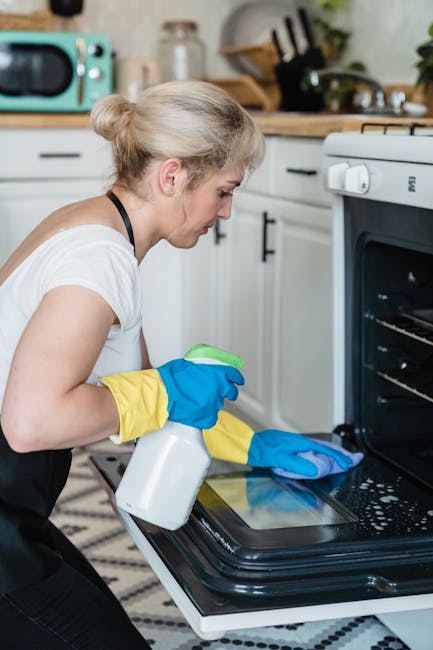
RBKC damage and disposal laws for oven and kitchen cleaning
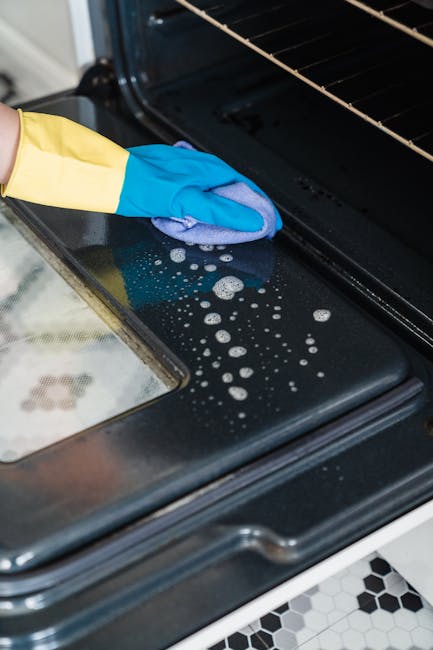
If you are arranging oven or kitchen cleaning in Kensington and Chelsea, the legal side can feel more confusing than the cleaning itself. What counts as damage? Who is responsible if a shelf scratches, a seal tears, or a greasy waste bag is left behind? And what about disposal rules for used chemicals, fat, old filters, packaging, and bulk waste? This guide breaks down RBKC damage and disposal laws for oven and kitchen cleaning in plain English, so you can make sensible decisions, reduce risk, and know what good practice actually looks like.
We will cover how the rules work in practice, what to check before any cleaner starts, what professional cleaners should do with waste, and where disputes usually begin. You will also get a practical checklist, a comparison table, and a realistic example from an everyday kitchen clean. Not fancy. Just useful.
Why RBKC damage and disposal laws for oven and kitchen cleaning Matters
Kitchens are awkward spaces from a legal and practical standpoint. You are dealing with heat-resistant materials, delicate finishes, electrical appliances, food residue, and waste streams that can be harmless in one form but messy or non-compliant in another. In RBKC, as in the rest of London, the key issue is not just whether a job looks clean. It is whether the cleaning was done carefully, and whether waste and any accidental damage were handled responsibly.
That matters for homeowners, landlords, tenants, managing agents, and cleaning providers alike. A tiny chip on a glass hob, a damaged oven seal, or a bottle of chemical cleaner poured into the wrong waste route can turn a straightforward job into a complaint. In our experience, most disputes are not dramatic. They start small: a mark noticed after the cleaner leaves, a bin bag overfilled, or a landlord saying the kitchen is not left in the expected condition. Then everyone starts pointing at the same sponge, so to speak.
There is also a trust element. When someone enters your home or rental property to clean an oven or kitchen, you are handing over access to appliances, worktops, cupboards, and sometimes personal items. Good practice is about reducing the chance of harm before it happens. That includes using the right products, protecting surrounding surfaces, and disposing of waste in a way that does not create new problems.
For commercial readers, especially letting agents and property managers, the reason this topic matters is even simpler: a poor clean can trigger avoidable costs. A mistreated appliance, a stained floor, or a missed waste item can affect deposit disputes, handover standards, and client satisfaction. If you are also looking at broader cleaning support, services such as deep cleaning or end of tenancy cleaning often overlap with oven and kitchen work, so standards need to be joined up rather than treated as separate tasks.
Practical takeaway: the safer approach is to treat oven and kitchen cleaning as both a cleaning task and a handling task. Clean carefully, protect the surfaces, separate waste properly, and document anything unusual.
How RBKC damage and disposal laws for oven and kitchen cleaning Works
There is no single rulebook that says, in one neat line, what every oven cleaner in RBKC must do in every home. Instead, the responsibilities are usually spread across several layers: property law, consumer law, tenancy obligations, waste handling duties, and simple common sense about reasonable care. That sounds a bit dry, but in practice it is fairly straightforward.
First, there is the question of damage. If a cleaner causes damage through carelessness, poor product choice, or rough handling, that is generally different from ordinary wear and tear. A faded oven tray is not the same thing as a cracked glass door. The key issue is whether the cleaner took reasonable steps to avoid foreseeable harm. For example, using an abrasive tool on a polished surface is a bad idea. Leaving strong chemicals to sit too long on a painted finish is another. These things are avoidable.
Second, there is disposal. Oven and kitchen cleaning generates waste that can include grease, burnt-on residue, food scraps, disposable cloths, used gloves, empty product bottles, and sometimes old parts like filters or liners. Some of that can go in general waste. Some of it should be separated, secured, or disposed of more carefully depending on what it is and how it was used. The practical rule is simple: do not treat everything as ordinary rubbish if it contains chemicals, sharp fragments, or excessive grease.
Third, there is the expectation of tidiness. A proper clean should leave the kitchen usable, not just visually shiny. That means surfaces wiped, waste removed, appliance areas checked, and no residue left in cupboards, around skirting boards, or under units. If the job includes more than the oven itself, services like oven cleaning and house cleaning often need to be coordinated so that the final result is consistent, not patchy.
Finally, there is accountability. Before work starts, the cleaner or company should ideally note pre-existing marks, chips, loose fittings, or fragile surfaces. A few photos can save a lot of back-and-forth later. It is not glamorous, but it is sensible. Truth be told, it prevents that awkward moment where everyone stares at a scratch and says, "Well, it was like that before, wasn't it?"
Key Benefits and Practical Advantages
When oven and kitchen cleaning is done with damage and disposal rules in mind, the benefits are immediate and pretty tangible.
- Fewer disputes: clear records and careful handling reduce arguments about who caused what.
- Better appliance life: sensible cleaning methods help protect seals, coatings, trays, and panels.
- Cleaner handovers: this matters for tenancies, sales, and managed properties where standards are checked closely.
- Safer waste handling: separating greasy, sharp, or chemical waste reduces mess and risk.
- More predictable outcomes: everyone knows what is included, what is fragile, and what should never be forced or scraped.
There is also a quieter advantage: confidence. If you are a tenant, you are less likely to worry about losing part of a deposit because of avoidable kitchen damage. If you are a landlord or agent, you have a cleaner audit trail. If you are a homeowner, you simply avoid the headache of discovering that a "quick" clean has left a mark on the hob. You notice these things most when the light catches them in the late afternoon. Annoying, but very real.
Companies that already publish clear policies, such as their health and safety policy and recycling and sustainability guidance, tend to be easier to trust because they show their thinking, not just their service list.
Who This Is For and When It Makes Sense
This topic is useful for a lot of people, not only professional cleaners. If you live in RBKC and you are booking a specialist oven clean, you want to know what should happen if something goes wrong. If you manage a rental or leasehold property, you want to know what counts as acceptable wear, what counts as damage, and how to handle waste properly.
It is especially relevant if you are:
- a tenant preparing for check-out or inspection
- a landlord arranging a pre-tenancy refresh
- a homeowner booking a one-off kitchen reset
- a cleaner or small cleaning company working in private homes
- a facilities or property manager responsible for kitchens in shared spaces
It also makes sense if your kitchen includes mixed surfaces and awkward fittings. For example, glossy cabinet doors, stone worktops, older extractor fans, and built-in ovens all need different handling. A one-size-fits-all approach is rarely the best idea. A cleaner who also handles domestic cleaning or one-off cleaning will usually have to adapt the method to the room, not just the task.
And yes, sometimes the reason is simple: the kitchen is just grim. Burnt grease, sticky cupboard handles, and that faint fried smell that lingers no matter how many windows you open. We have all seen it. No judgement.
Step-by-Step Guidance
Here is the practical sequence that helps reduce damage and keep disposal tidy.
- Inspect the kitchen first. Check for scratches, chips, loose seals, delicate finishes, cracked tiles, and any items already damaged. Photograph obvious issues before starting.
- Identify the surfaces. Glass, enamel, stainless steel, painted wood, laminate, and natural stone all react differently to cleaning products and abrasion.
- Separate the waste streams. Put food waste, grease residue, disposable cloths, empty bottles, and sharp fragments into the right categories before you bag anything up.
- Choose a gentle method first. Start soft and only escalate if needed. You can always do more; you cannot un-scratch a surface.
- Protect nearby areas. Use care around flooring, splashbacks, sockets, and adjacent units. A drip on a floor might not look serious, but it can stain or dull a finish.
- Work in sections. Ovens, hobs, extractor units, cupboard fronts, sinks, and worktops should be cleaned in a controlled order to avoid cross-contamination.
- Check for residue. Any leftover cleaner, grease film, or loosened debris should be wiped away before the job is signed off.
- Document anything unusual. If a part is already loose or something breaks despite care, note it immediately and explain the next step clearly.
If the kitchen is part of a wider property refresh, it may be sensible to pair the job with a professional cleaning company or add-ons such as hard floor cleaning. That way the clean is handled as one consistent process, not a set of disconnected jobs.
Expert Tips for Better Results
Small choices make a big difference. Most of the damage risk in kitchen cleaning comes from speed, overconfidence, or using the wrong tool for the finish. Here are the habits that really help.
- Patch test products where possible. Even mild products can dull a sensitive finish if left too long.
- Use non-abrasive tools first. Microfibre cloths and soft pads are usually safer than anything sharp or gritty.
- Lift, don't drag. Moving heavy oven racks or trays across a surface is a classic way to leave marks.
- Keep waste contained. Grease and residue should not be left in open containers where they can leak or smell.
- Photograph before and after. Simple, clear photos help if anyone questions the condition of the appliance later.
- Be careful with steam and moisture. Excess water near electrics or seals can cause hidden problems.
One practical thing many people miss: extractor fans and vents. They collect oily dust that can drip if disturbed. Clean those areas carefully and dispose of the residue properly. It is one of those jobs that looks minor until you are standing under the unit with grime on your sleeve, wondering why it smells like last winter's roast dinner.
Also, if you are choosing between a regular cleaner and an oven specialist, remember that ovens can be oddly fussy. A general cleaner may be excellent, but a dedicated cleaner or cleaners with oven experience is often better placed to avoid finish damage and handle waste neatly.
Common Mistakes to Avoid
This is where many problems begin. The mistakes are usually simple, but the consequences can be annoying and expensive.
- Using abrasive pads on delicate finishes. This can create dull patches or visible scratches.
- Over-soaking components. Moisture can seep into areas that should stay dry.
- Ignoring pre-existing damage. If you do not note it first, you may end up arguing about it later.
- Mixing waste together without thought. Greasy residue, food waste, and chemical containers should not all be treated the same way.
- Rushing around seals and hinges. These parts are easy to damage if you force them.
- Leaving cleaning products behind. Residue on handles, shelves, or controls is poor practice and can be unsafe.
Another common slip is not clarifying what "clean" means before the job starts. In a rental property, the standard may be closer to a move-out condition. In a private home, it may just mean the oven and kitchen are refreshed and sanitary. Those are not the same thing, and pretending they are is how misunderstandings happen.
Tools, Resources and Recommendations
You do not need a huge toolkit, but the right basics matter. A careful kitchen clean usually relies on:
- microfibre cloths
- soft non-scratch pads
- small brushes for corners and vents
- containers for collecting waste separately
- gloves suitable for cleaning tasks
- protected bags for residue and disposable items
- labels or notes for any items that are already damaged
For readers who want a deeper level of property support, related services such as after builders cleaning can be helpful if the kitchen is dusty or contaminated by renovation debris. If the issue is broader than the oven, you may also find deep cleaning more suitable than a quick tidy-up.
On the administration side, it is smart to review service terms before booking. The most useful pages to read carefully are the company's terms and conditions, insurance and safety information, and pricing and quotes. If you are comparing providers, those pages often tell you more than the marketing copy does. Quietly, they are the pages that matter.
Law, Compliance, Standards, or Best Practice
For kitchen cleaning in RBKC, the safest approach is to think in terms of reasonable care, tenant and landlord obligations, and proper waste handling rather than trying to reduce everything to a single rule. In UK practice, the details depend on the exact situation, but the principles stay consistent.
Damage: If someone cleaning an oven or kitchen causes avoidable harm through carelessness, rough handling, or unsuitable products, that can amount to actionable damage. What counts is context: the surface type, the method used, the instructions given, and whether the risk was foreseeable.
Disposal: Waste from cleaning should be handled safely and sensibly. Greasy debris, chemical containers, broken attachments, and contaminated disposables should not be dumped casually or mixed where that creates a hazard. If a waste item could leak, puncture, or react, it needs extra care.
Best practice: Good providers document the condition of items, use suitable products, avoid aggressive scraping, and keep waste contained. They should also be clear about what is excluded, what counts as pre-existing damage, and how they handle accidental issues. This is where a written service policy helps. A business that publishes its complaints procedure and privacy policy is signalling that it takes accountability and customer handling seriously.
Where disposal gets more complex, such as after large declutters or kitchen strip-outs, the issue can move beyond routine cleaning and into house clearance. That is a different job, with different expectations. Mixing the two up is a recipe for confusion.
Options, Methods, or Comparison Table
Not every kitchen job needs the same level of treatment. The table below gives a simple comparison of common approaches.
| Approach | Best for | Damage risk | Disposal handling | Typical downside |
|---|---|---|---|---|
| Light surface clean | Maintenance in a reasonably tidy kitchen | Low if done gently | Minimal waste | May not remove built-up grease |
| Specialist oven clean | Burnt-on residue, trays, racks, hobs | Low to medium, depending on finish | More residue and disposable waste | Takes longer and needs care around seals |
| Deep kitchen clean | Whole-room reset, cupboards, splash zones | Medium if tools are too aggressive | Broader waste separation needed | More time and more moving parts |
| End-of-tenancy clean | Check-out or pre-handover condition | Medium, because standards are higher | Often includes mixed household waste | Needs better documentation |
In practical terms, if the kitchen is already fragile or older, a softer method is often the wiser choice. A brand-new gloss kitchen may look robust, but it can be more sensitive than it appears. Funny how the shiny stuff is sometimes the touchiest.
Case Study or Real-World Example
Imagine a small flat in Kensington with a built-in oven, laminate units, and a stainless steel splashback. The tenant books a clean before moving out. The cleaner arrives, does a quick inspection, and notices that the oven door seal is already loose on one side and the hob has a small chip near a burner. Those are photographed before anything starts.
The oven is cleaned with a mild, non-abrasive method. Racks are removed and cleaned separately. Grease residue is collected into lined waste bags, and disposable cloths are sealed rather than left open on the counter. The cleaner avoids soaking the door area and keeps water away from controls. After the clean, the tenant and cleaner review the kitchen together. The result is tidy, and there is a clear record of what was already there.
Now compare that with a less careful version. A harsh pad is used on the splashback, a shelf is dragged across the hob, and the residue is thrown into the sink. The kitchen still looks cleaner for a moment, but now there is a scratch, a blocked drain risk, and a bad feeling. That second version is how a simple booking becomes a complaint. Not ideal. Not even close.
Practical Checklist
Use this before, during, and after an oven or kitchen clean.
- Confirm what rooms, appliances, and surfaces are included.
- Photograph any existing damage before work starts.
- Check whether the cleaner uses non-abrasive products where suitable.
- Ask how waste, grease, and disposable items will be removed.
- Keep electrical areas protected from excess moisture.
- Review loose seals, chips, cracks, and fragile finishes in advance.
- Make sure residue is wiped away from handles, controls, and shelves.
- Separate routine rubbish from anything sharp, greasy, or chemical-contaminated.
- Ask for a simple note if anything breaks, shifts, or looks unusual.
- Keep the agreed terms and any photos until the job is fully signed off.
If you prefer a broader domestic reset, linking the kitchen work with domestic cleaning or home cleaners can make the process smoother, especially when the rest of the property needs attention too.
Conclusion
RBKC damage and disposal laws for oven and kitchen cleaning are really about one thing: careful, accountable cleaning in a space where small mistakes can become expensive ones. If the person doing the work checks surfaces first, uses the right tools, keeps waste contained, and documents anything unusual, most problems never get the chance to grow legs.
For readers in Kensington and Chelsea, the smartest approach is to choose a provider that treats the job as more than surface shine. Ask about process, insurance, waste handling, and what happens if damage is suspected. That is the difference between a quick visit and a properly managed service. And honestly, that peace of mind is worth a lot when the kitchen is the heart of the home, even if it smells faintly of last night's chips.
Get a free quote today and see how much you can save.
For more about the team behind the service, you can also read the about us page and review the company's recycling and sustainability approach. It is often the small details that tell you whether a company is genuinely careful.
Frequently Asked Questions
What does RBKC damage and disposal laws for oven and kitchen cleaning actually cover?
It covers the practical rules and responsibilities around avoiding damage, handling waste correctly, and cleaning kitchens safely and carefully in the RBKC area. It is less about one single law and more about a mix of duties, standards, and best practice.
Who is responsible if a cleaner damages an oven or worktop?
That depends on what happened, whether the damage was avoidable, and what terms were agreed before the job started. If the damage came from careless work, the cleaner or company may be responsible. If it was pre-existing, it should have been noted first.
What counts as damage rather than normal wear and tear?
Damage usually means a new crack, scratch, chip, burn mark, broken seal, or other avoidable harm caused during the clean. Normal wear and tear is the gradual ageing or light use that would happen anyway.
How should grease and cleaning waste be disposed of?
Grease, residue, disposable cloths, and similar waste should be contained and handled so they do not leak, smell, or contaminate other rubbish. The exact route depends on what the waste is, but it should never be left loose and messy.
Can a cleaner use strong chemicals on every kitchen surface?
No. Different surfaces need different methods. Strong products can dull finishes, damage seals, or stain certain materials. A sensible cleaner starts gently and checks compatibility before increasing strength.
Do tenants need to photograph the kitchen before cleaning starts?
It is a very good idea. Photos help show existing marks, chips, and loose fittings. That can reduce disputes later if someone raises a damage concern after the clean.
Is oven cleaning part of end of tenancy cleaning?
Often yes, but not always in the same way. Some tenancies expect a full oven clean as part of handover standards, while others specify a broader kitchen clean. Check the agreement and the service scope carefully.
What should I ask a cleaning company before booking?
Ask what products they use, how they protect delicate finishes, what their waste disposal process is, whether they carry suitable insurance, and what happens if something is already damaged or gets damaged during the visit.
Can kitchen cleaning affect a deposit return?
Yes, if the kitchen is left below the agreed standard or if the clean causes damage. A well-documented clean helps reduce that risk, especially at the end of a tenancy.
Are oven and kitchen cleaning laws different in RBKC compared with other London boroughs?
The broad principles are similar across London, but local expectations, property types, and waste arrangements can differ in practice. That is why it helps to understand RBKC-specific property conditions and not assume every job is the same.
What is the safest way to avoid accidental damage during a kitchen clean?
Start with an inspection, use non-abrasive methods, protect surfaces, avoid excess moisture, and document anything fragile before beginning. Slow is often safer than fast, even if it feels a bit less exciting.
Should I choose a specialist oven cleaner or a general cleaner?
If the oven is heavily soiled, delicate, or built into a high-end kitchen, a specialist oven cleaner is usually the better choice. For lighter maintenance, a general cleaner may be enough. It depends on the condition and the level of risk.