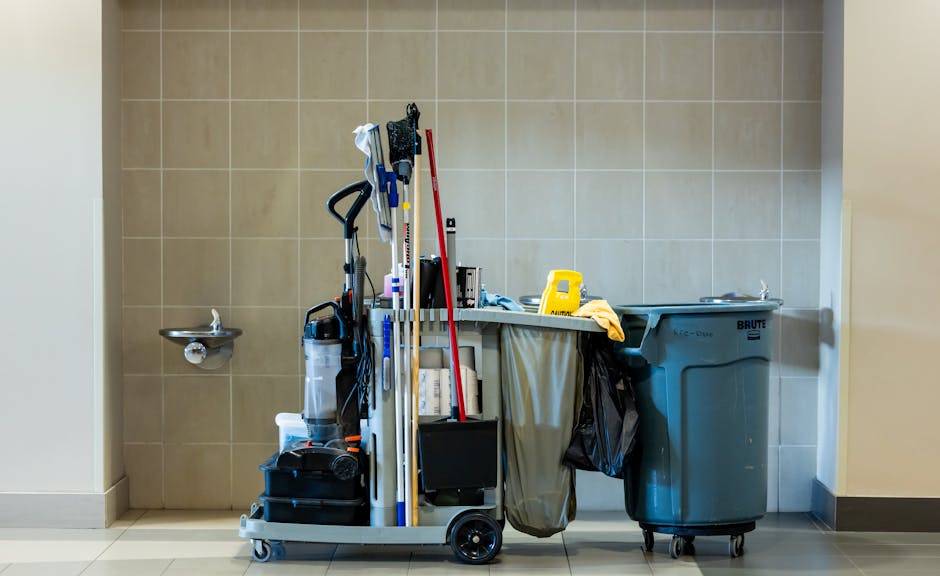
Kensington council rules for commercial waste and cleaning: a practical guide for local businesses
If you run a shop, office, cafe, clinic, studio, or managed property in Kensington, commercial waste and cleaning can get messy in more ways than one. The bins fill up faster than expected, cleaning schedules drift, and suddenly you are wondering whether your waste contractor, cleaner, or in-house team is actually doing things the way the council expects. That is exactly where understanding Kensington council rules for commercial waste and cleaning saves time, stress, and awkward surprises.
This guide breaks it all down in plain English: what the rules mean, how commercial waste collection usually works, what good cleaning and disposal practice looks like, and where businesses often slip up. It is written for real-world use, not for people who enjoy reading regulation for fun. Let's face it, most of us do not.
Table of Contents
- Why Kensington council rules for commercial waste and cleaning Matters
- How Kensington council rules for commercial waste and cleaning Works
- Key Benefits and Practical Advantages
- Who This Is For and When It Makes Sense
- Step-by-Step Guidance
- Expert Tips for Better Results
- Common Mistakes to Avoid
- Tools, Resources and Recommendations
- Law, Compliance, Standards, or Best Practice
- Options, Methods, or Comparison Table
- Case Study or Real-World Example
- Practical Checklist
- Conclusion
- Frequently Asked Questions
Why Kensington council rules for commercial waste and cleaning Matters
Commercial premises create a different kind of cleaning challenge from homes. There is more footfall, more packaging, more food waste in some cases, and more pressure to keep shared spaces presentable. In Kensington, where many businesses operate in busy streets, mixed-use buildings, and high-profile locations, waste and cleaning standards are not just about appearance. They affect hygiene, access, neighbours, reputation, and day-to-day operations.
The main reason these rules matter is simple: business waste is not treated like household waste. A cafe bin stuffed with food packaging, a salon bag of chemical containers, or an office pile of confidential paper all need handling in a way that is controlled, traceable, and sensible. You cannot just assume a domestic-style collection system will do the job. That assumption causes problems very quickly.
There is also the practical side. If waste is left out too early, spills can happen. If cleaning is rushed, odours build up, pests can become an issue, and staff or customers notice. A clean site feels calm; a neglected one feels tired almost immediately. You see it in the bins first, then on the floors, then in the mood of the place.
For landlords, facilities managers, and business owners, the rules help define who is responsible for what. That matters when a tenancy ends, when contractors are changing over, or when a property has shared service areas. If nobody owns the task, it tends to become everybody's problem. And that is usually where complaints start.
Expert summary: The real value of understanding local waste and cleaning expectations is not just avoiding penalties or inconvenience. It is running a business that looks organised, keeps people safe, and avoids the slow creep of avoidable mess.
How Kensington council rules for commercial waste and cleaning Works
Most commercial waste and cleaning arrangements work in layers. First, you separate the waste streams. Then you decide how often they need collecting. After that, you build a cleaning routine around your space, trading hours, and risk level. That sounds straightforward, and in a way it is, but the details matter.
In practice, a business usually needs to think about a few core areas:
- General waste: everyday rubbish such as food packaging, disposable items, and non-recyclable material.
- Dry mixed recycling: cardboard, paper, and other recyclable packaging where local acceptance rules allow it.
- Food waste: relevant for cafes, restaurants, staff kitchens, and hospitality sites.
- Special or controlled waste: items like chemicals, oils, sharps, or contaminated materials that need extra care.
- Cleaning waste: cloths, wipes, mop heads, empty bottles, vacuum dust, and similar operational waste.
The council side typically focuses on how waste is stored, separated, and presented, while your cleaning process should stop waste from becoming a nuisance in the first place. That means emptying bins before overflow, keeping waste areas washable, and making sure spills are cleaned promptly. A good cleaner does not just make a place look neat. They prevent the next problem from appearing.
If you use a professional cleaning company, ask how they handle rubbish segregation and disposal during cleans. It is worth being specific. A team that understands commercial sites will usually work differently from one used to light domestic jobs. Likewise, if your site has frequent footfall, office cleaning or office cleaners should be scheduled with bins, break areas, washrooms, and shared touchpoints in mind, not just desks and floors.
For heavier cleaning jobs, such as post-refurbishment debris or dust-heavy turnover, after builders cleaning may be more relevant because the waste profile is quite different. Fine dust, plaster, and packaging can clog normal routines if nobody plans ahead.
Key Benefits and Practical Advantages
Following the right process is not only about compliance. There are some very real business benefits, and you will notice them pretty quickly.
- Cleaner presentation: customers, clients, tenants, and staff feel more comfortable in a space that is tidy and well managed.
- Lower contamination risk: separating waste properly supports recycling and avoids mixing problem materials into the wrong stream.
- Fewer odours and pests: regular bin emptying and surface cleaning make a big difference in warm or busy premises.
- Better staff efficiency: when waste routines are clear, nobody wastes time guessing where things should go.
- Reduced complaint risk: neighbours and building managers are less likely to raise concerns if storage areas stay controlled.
- Improved contractor coordination: cleaners, waste handlers, and site staff know who is doing what.
There is a quieter benefit too: peace of mind. If your waste and cleaning processes are documented and followed, the whole site tends to feel more stable. That matters in a place like Kensington, where small operational issues can become visible fast. One loose bin bag on a windy morning and, well, the whole street knows about it.
If your business is more service-led than retail-led, things can still get complicated. A small consultancy might only need periodic one off cleaning and regular waste collection, while a mixed-use property could need layered support including window cleaning, washroom maintenance, and floor care. The advantage is not just tidiness. It is consistency.
Who This Is For and When It Makes Sense
This topic is relevant to a wider group than people often realise. If your premises generate waste because people work, eat, trade, host, or visit there, the rules matter. That includes:
- small and medium businesses
- offices and coworking spaces
- shops and showrooms
- cafes, restaurants, and food-led venues
- health and beauty businesses
- landlords and managing agents
- building operators with shared bins or service yards
- cleaning contractors responsible for commercial premises
It also makes sense if you are about to open a site, take on new premises, or switch from a domestic-style cleaning arrangement to a more commercial one. That transition is where a lot of businesses get caught out. What worked in a home office or small studio often falls apart once the footfall increases and the waste builds faster than expected.
In our experience, the businesses that feel most in control are the ones that treat waste and cleaning as part of operations, not as an afterthought. They know who empties bins, when cleaning happens, where waste is stored, and what gets escalated. Simple. Not always easy, but simple.
If your site includes carpets, upholstery, or hard floors that get heavy use, you may also need specialist support such as carpet cleaning, sofa cleaning, upholstery cleaning, or hard floor cleaning. Those services can sit alongside the main waste plan so the space stays fresh without creating avoidable disposal issues.
Step-by-Step Guidance
If you are setting up or reviewing your commercial waste and cleaning process, use this practical sequence. It keeps the work manageable and stops you from overcomplicating things on day one.
- Audit the waste you produce. Walk the site and note what goes into each bin. Do not guess. Count what is actually there over a normal busy week.
- Separate the streams. General waste, recycling, food waste, and any specialist waste should each have a clear route. Mixed waste is where things get messy, literally and administratively.
- Map the bin locations. Place bins where people naturally use them. If they are too far away, rubbish ends up on desks, counters, or in the wrong container.
- Set cleaning frequency by risk. Entrances, toilets, kitchens, and waste rooms usually need more frequent attention than meeting rooms or low-use areas.
- Define storage rules. Keep waste in a location that is secure, accessible for collection, and easy to clean. Surfaces should not trap dirt or liquid.
- Train the team. Staff and contractors need the same basic instructions. If only one person knows the system, the system is fragile.
- Review after the first month. Most businesses need a small adjustment once they see the real volumes. Maybe the bins are too small. Maybe the collection day is awkward. Fine, change it.
- Document responsibilities. Make clear who checks what, who signs off the clean, and who contacts the cleaner or waste provider if something goes wrong.
A useful habit is to treat bins and cleaning as connected. For example, if your cleaning team wipes kitchen counters but the food waste bin is overflowing by lunchtime, the room will still feel unclean. The same goes for washrooms. Smells travel. Fast.
For businesses that need deeper periodic refreshes, deep cleaning can be the right reset after busy periods, tenancy changes, or seasonal peaks. It helps get under the surface of the weekly routine and deals with the hidden build-up people stop noticing after a while.
Expert Tips for Better Results
Here are the small improvements that usually make the biggest difference.
- Choose bins by behaviour, not aesthetics. Nice-looking bins are fine, but if staff have to awkwardly lift lids or walk too far, they will use them badly.
- Keep waste areas washable. Smooth walls, sealed floors, and easy-to-clean corners reduce grime build-up.
- Use liners that actually fit. A liner that slips into the bin becomes annoying very quickly. Tiny detail, big effect.
- Schedule cleaning before peak use. It is better to reset a space before the morning rush than after it has already taken a beating.
- Label clearly. If a recycling bin looks too similar to general waste, contamination becomes almost inevitable.
- Keep spare consumables handy. Bin bags, sanitiser, cloths, and mop heads should not run out on a Friday afternoon. That never ends well.
Another good tip: work from the dirtiest point back to the cleanest. Waste handling first, then surfaces, then floors, then finishing touches. It sounds obvious, but in a busy office or shared building, people often start with what is visible and forget what is causing the mess underneath. The order matters.
If you are using a contractor, ask about their health and safety controls as well as cleaning methods. A trustworthy team should be able to explain how they manage slips, chemical use, waste handling, and safe working practices. If they can't explain it simply, that is a bit of a warning sign. You can also review a provider's health and safety policy and insurance and safety information before appointing them.
Common Mistakes to Avoid
A lot of commercial waste problems come from a handful of predictable mistakes. The good news is they are avoidable once you know what to watch for.
- Using domestic waste habits for commercial premises. Business waste usually needs a more structured setup.
- Leaving bins to overflow. Once waste spills, the cleaning job becomes larger and less pleasant, and sometimes smells hang around for hours.
- Mixing waste types. Contamination can undermine recycling efforts and make collections harder to manage.
- Assuming contractors are covering everything. Sometimes they are. Sometimes they are not. Clarify the line.
- Ignoring storage hygiene. A clean bin outside does not help much if the bin store itself is damp, sticky, or full of residue.
- Not updating the plan after business changes. New staff, new equipment, new opening hours, or extra customers all change waste output.
- Forgetting about non-obvious cleaning waste. Disposable cloths, paper towels, and packaging can mount up faster than expected.
A common scenario is a small business that starts neatly, then grows. Suddenly there are more deliveries, more cardboard, and more bin bags than the original plan can handle. The space still looks the same size, but the operational reality has shifted. If that sounds familiar, you are not alone. It happens all the time.
If waste is linked to a one-time clearance or transition, a service such as house clearance may be useful in the right context, especially where bulky items, end-of-occupancy debris, or old fittings need removing before normal cleaning can resume.
Tools, Resources and Recommendations
You do not need fancy systems to run commercial waste and cleaning well. A few practical tools usually do the job.
- Simple waste log: note how full each bin gets and how often it is emptied.
- Cleaning rota: keep it visible, short, and specific.
- Room-by-room checklist: useful for offices, reception spaces, kitchens, and washrooms.
- Colour-coded containers or labels: helps people put waste in the right place.
- Photo-based handover record: good for managed sites and contractor work.
- Monthly review notes: a quick record of what changed, what failed, and what improved.
For businesses that want a cleaner all-round finish, service layers can help. For example, cleaners may handle routine upkeep, while more specialist support such as facade cleaning or window cleaning supports the external presentation of the premises. External cleanliness matters more than people admit. A spotless interior can still feel off if the entrance looks tired.
When comparing providers, ask sensible questions about scheduling, access, waste handling, and consistency. A decent team should be transparent about their pricing and quotes, and their terms should be clear enough that you know what is included and what is not. If you need to check the fine print, the provider's terms and conditions and privacy policy should be easy to find and read.
Law, Compliance, Standards, or Best Practice
It is important to be careful here. Councils, local policies, and waste handling requirements can change, and exact obligations may depend on your business type, building setup, and the nature of the waste you produce. So the safest way to think about Kensington council rules for commercial waste and cleaning is this: your business should store, separate, present, and manage waste in a controlled and lawful way, and your cleaning arrangements should support that standard.
In the UK, commercial premises are generally expected to manage waste responsibly and use appropriate collection arrangements rather than relying on household systems. Businesses also have duties around cleanliness, hygiene, and safe working conditions, especially where staff, customers, or food preparation are involved. For many sites, best practice includes:
- clear separation of waste streams
- controlled bin storage
- regular cleaning of waste areas
- safe handling of cleaning chemicals
- documented contractor responsibilities
- keeping shared areas free from slip and contamination risks
That last point is easy to overlook. A wet floor near a bin store or loading area can become a hazard fast, especially during London weather when mud and rain are dragged in on shoes. We all know that slightly grim slush by the door that appears out of nowhere on a wet Tuesday. Prevention is better than mopping it up after someone has already nearly slipped.
If you use external contractors, ask whether they operate in line with safe waste handling, liability cover, and clear service boundaries. If you are dealing with sensitive operations or regulated environments, be especially cautious. A good provider will not overpromise. They will explain what they can do, what they cannot do, and how they keep the site clean without creating extra risk.
Options, Methods, or Comparison Table
Different premises need different approaches. The best method depends on how busy the site is, what kind of waste you produce, and how much cleaning pressure you face each day.
| Approach | Best for | Strengths | Watch-outs |
|---|---|---|---|
| In-house waste and cleaning routine | Smaller offices, studios, and low-risk premises | More control, flexible timing, easy to adapt | Can drift without supervision, staff may be inconsistent |
| Hybrid model with staff plus contractor support | Growing businesses and shared properties | Balanced cost, better coverage, useful for peak periods | Needs clear handover and role clarity |
| Fully outsourced cleaning service | Busy offices, hospitality sites, and managed buildings | Predictable standards, less admin, specialist methods | Requires good contract terms and service checks |
| Periodic deep clean only | Low-use sites or seasonal refreshes | Good for reset and visual improvement | Not enough on its own for active commercial waste control |
For a lot of Kensington businesses, the hybrid model is the most realistic. A small internal routine handles bins, spills, and daily touchpoints, while a contractor handles the heavier or less frequent work. That said, some sites do fine with a more specialised arrangement. There is no one-size-fits-all answer, and anyone claiming there is probably has not worked in a live commercial building at 8:15 on a Monday.
Case Study or Real-World Example
Imagine a small Kensington office with twelve staff, a kitchenette, two washrooms, and a shared bin store. At first, everything seems under control. One general waste bin, one recycling bin, a weekly cleaner, job done. Then the team grows, deliveries increase, and the office starts hosting more clients. Paper cups appear. Food packaging appears. Someone puts cardboard in the wrong bin because they are rushing out for a meeting.
Within a few weeks, the bin area starts to smell a bit off. The cleaner is doing their best, but the system itself is no longer matched to the actual use of the space. The fix is not dramatic. The business adds a more frequent waste emptying routine, separates dry recycling more clearly, schedules a focused office cleaning visit around peak traffic, and adds labels in the kitchen and bin store. The change is noticeable in days, not months.
The interesting part is how quickly the atmosphere improves. People stop stacking cups near the sink. The kitchenette feels less chaotic. Visitors do not get the faint whiff of stale bins when they walk in. It is a small operational shift, but it changes how the whole site feels. That is the kind of result worth chasing.
Practical Checklist
Use this checklist to pressure-test your current setup.
- Do you know exactly what waste your business produces each week?
- Are waste streams separated clearly and labelled well?
- Is there enough bin capacity for busy days?
- Are collection times practical for your opening hours?
- Is the waste storage area clean, secure, and easy to access?
- Do cleaning tasks cover bins, spill points, washrooms, and shared spaces?
- Are staff and contractors clear on who does what?
- Do you review the system after changes in trading volume or occupancy?
- Are cleaning chemicals and equipment stored safely?
- Have you checked whether specialist cleaning is needed for carpets, floors, upholstery, or post-build debris?
If you can answer yes to most of those, you are in decent shape. If not, that is fine too. Better to spot the gaps now than when the bin store is already overflowing and everyone is pretending not to notice.
Conclusion
Getting Kensington council rules for commercial waste and cleaning right is really about running a tighter, calmer operation. The council side tells you how waste should be handled responsibly. The cleaning side makes sure the day-to-day reality stays hygienic, efficient, and presentable. Put together, they help your business avoid messy surprises and stay focused on what it is actually there to do.
Start with the basics: separate waste properly, clean high-risk areas often, keep storage tidy, and make responsibilities clear. Then build from there if your site needs more support. That might mean routine office care, deeper periodic cleans, or specialist help for floors, carpets, and upholstery. Small improvements add up fast.
Get a free quote today and see how much you can save.
And if there is one final thought to leave you with, it is this: a clean, well-run premises does not just look better. It feels better to work in, walk into, and trust.
Frequently Asked Questions
What counts as commercial waste in Kensington?
Commercial waste is anything your business generates through trade, operations, staff activity, or customer use. That can include packaging, paper, food waste, cleaning materials, and broken items from normal business activity.
Can I use household bins for business waste?
Usually not in the way people hope. Business waste is generally expected to be managed through appropriate commercial arrangements, not treated like domestic rubbish. If in doubt, check your collection setup carefully.
Do I need a separate cleaning plan for my commercial premises?
In most cases, yes. A clear plan helps you manage bins, high-touch areas, washrooms, kitchens, and spill response. Without one, the work tends to drift and standards slip.
How often should commercial waste areas be cleaned?
That depends on the type of business and how much waste is produced. Busy food-led sites may need daily attention, while quieter offices may need less frequent but still regular upkeep.
What is the biggest mistake businesses make with waste and cleaning?
The biggest mistake is waiting until there is a visible problem. By then, waste has built up, smells have started, and the clean takes longer. Small routine checks are much easier.
Do cleaners usually take away waste as part of the service?
Sometimes yes, sometimes no. It depends on the service agreement and the type of waste involved. Always confirm what is included rather than assuming.
How can I reduce odours in bin storage areas?
Use the right bin size, empty it often enough, keep the area washable, and avoid mixing food waste with general rubbish. A clean container still smells if the system is overloaded.
What kind of cleaning is best after building work?
Post-refurbishment sites often need after builders cleaning because dust, debris, and packaging build up differently from normal day-to-day dirt. It is more detailed and usually more intensive.
How do I know if I need specialist cleaning for carpets or floors?
If your premises has heavy footfall, staining, dull patches, or persistent dirt that routine cleaning does not solve, specialist support such as carpet cleaning or hard floor cleaning can help.
Is it worth outsourcing commercial cleaning in Kensington?
For many businesses, yes. Outsourcing can improve consistency, reduce admin, and free up staff to focus on their actual jobs. It also helps if your site has variable footfall or specific hygiene needs.
What should I ask a cleaning provider before hiring them?
Ask about scope, frequency, insurance, waste handling, health and safety, flexibility, and pricing. Clear answers now save awkward conversations later.
What should I do if my current waste system keeps failing?
Review what waste you produce, where the bins are placed, and how often they are emptied. In many cases, the issue is not the cleaning team alone. It is the system around them.